
Picture this: a couple sitting across the dinner table, staring at their plates instead of each other. The conversation is either a tense silence or an explosive argument. Sound familiar? Communication issues are one of the most common challenges in relationships. In fact, studies show that poor communication is a leading cause of relationship dissatisfaction and divorce.
Research shows that communication issues can significantly impact emotional connection and conflict resolution in a romantic relationship, making it crucial to address them for long-term relationship health.
Here’s the good news—communication can be improved. Whether you’re newlyweds or have been together for decades, learning to communicate better is one of the most rewarding investments you can make in your romantic relationship.
In this post, we’ll share practical exercises used in couples counseling to help you:
Improve how you and your partner express yourselves.
Learn to listen (truly listen) without jumping to conclusions.
Build trust, connection, and a deeper understanding of each other.
Ready? Let’s explore why communication is so essential, what happens in couples counseling, and 10 exercises you can try today to strengthen your relationship.
Why Communication is the Cornerstone of Healthy Relationships
You’ve probably heard this before: communication is everything. Open communication is especially important, as it builds trust and helps maintain a healthy relationship by encouraging honest and transparent exchanges. But why? Simply put, it’s the glue that holds relationships together. When you communicate well, you build trust. You resolve conflicts without tearing each other down. And most importantly, you create a safe space to be heard, seen, and understood.
Signs of Poor Communication
Frequent misunderstandings (you say one thing, they hear another).
Feeling unheard or unappreciated.
Constant arguing, stonewalling, or shutting down emotionally.
Unmet expectations due to unclear or inadequate dialogue.
When communication breaks down, even small issues feel like mountains. Couples counseling provides practical tools to address these struggles and turn conflict into connection. Using effective communication techniques—such as active listening, empathy, and clear expression of needs—can help prevent misunderstandings and unmet expectations.
Kayla’s Insight: “I often work with couples who come to sessions feeling like they’re talking past each other. One couple, for instance, realized that simple misunderstandings—like tone or phrasing—were causing months of frustration. Once we practiced active listening, they finally started hearing what the other was truly saying.”
If you’re looking for a deeper dive into how to foster open and honest dialogue, read Achieving Open and Honest Communication.
How Couples Counseling Improves Communication
Teaches you to share feelings without blame: You’ll learn how to express emotions using healthy, constructive language, often through relationship communication exercises as part of the counseling process.
Creates a safe environment for dialogue: A therapist guides you through conversations that might otherwise feel impossible.
Builds listening and empathy skills: You’ll begin to truly hear each other—not just the words, but the feelings underneath.
Uses therapy exercises to practice new skills: Therapy exercises provide practical activities and techniques that help couples improve communication, foster understanding, and strengthen emotional connection in a supportive setting.

What to Expect in Couples Counseling
So what happens during couples counseling, anyway? A couples counselor guides partners through communication challenges, helping them express their feelings and understand each other more effectively. If you’re imagining a room full of awkward silence or constant arguments, think again.
Who is Couples Counseling For?
Newlyweds adjusting to life together.
Long-term couples feeling emotionally distant.
Partners navigating conflicts, trust issues, or major life changes.
What Happens in a Session?
A couples therapist acts as a neutral guide. Sessions may include:
Guided conversations: The therapist helps you share feelings and thoughts constructively, often using structured dialogue techniques such as mirroring, validation, and empathy.
Role-playing: Practicing scenarios to improve communication in real-life situations.
Tailored strategies: Every relationship is unique, so your therapist provides tools specific to your needs.
At the end of each session, the key components of effective couples counseling—open communication, active listening, empathy, and collaborative problem-solving—are emphasized to support lasting relationship growth.
Kayla’s Note: “Many clients tell me they were initially nervous about therapy. But once we started, they often say, ‘I wish we’d done this sooner.’ The safe space allows for a level of honesty and growth they didn’t think was possible.”
Common Misconceptions
“Couples counseling is only for couples on the brink of divorce.” Nope. Many couples seek therapy to prevent problems or deepen their connection.
“It’s just talking about problems.” Far from it. You’ll also focus on solutions, practical skills, positive changes, and relationship exercises designed to strengthen your bond.
Improving communication is a central goal in counseling, helping couples build understanding, trust, and a deeper emotional connection.
The Most Common Issues Couples Face
Every relationship has its quirks, but some issues tend to pop up over and over again—like reruns of a sitcom you can’t escape. Let’s look at the top 5 challenges couples face and how counseling can help:
Poor Communication
Statistic: 65% of divorces cite communication problems as the main cause (source).
Solution: Exercises like Active ListeningI-Statements help couples express themselves constructively and feel heard.
Financial Stress
Statistic: Money issues are the second leading cause of divorce (source).
Solution: Couples counseling helps partners create shared financial goals and learn to discuss money without blame or judgment.
Lack of Intimacy
Statistic: Nearly 15% of married couples report a sexless marriage (source).
Solution: Counseling addresses emotional and physical intimacy by creating space for honest conversations. Communication breakdowns can lead to emotional disconnection, leaving partners feeling lonely and distant. Addressing emotional disconnection is key to restoring closeness.
Parenting Disagreements
Solution: Counselors help couples align on parenting strategies and build teamwork.
Trust Issues
Solution: Tools like Reflective Communication and conflict resolution exercises help rebuild trust gradually and meaningfully. For couples experiencing conflict, stress reducing conversations can be a valuable tool to manage disagreements and strengthen emotional bonds.
Kayla’s Insight: “Trust and communication often go hand in hand. I worked with one couple who struggled after a betrayal, but by practicing daily check-ins and reflective exercises, they slowly started reconnecting. It’s a process, but it works.”
If you’re facing any of these challenges, know that you’re not alone. Couples counseling can provide support, practical tools, and a safe space to work through the tough stuff. We are currently accepting new clients for Couples Counseling in Castle Rock.
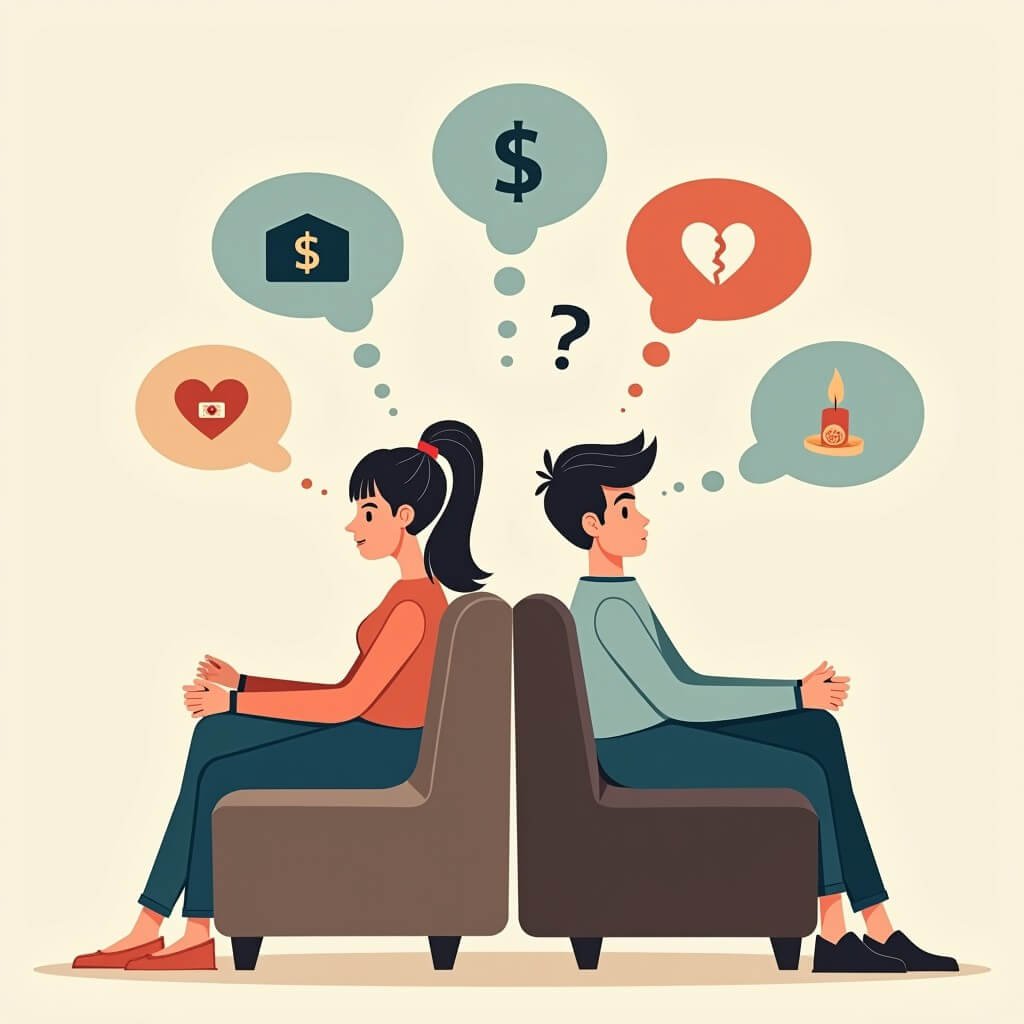
10 Communication Exercises You'll Learn in Couples Counseling
1. Active Listening Exercise
What it is: Learning to listen without interrupting or planning your response.
How it works:
Partner A speaks while Partner B listens.
Allow your partner to speak without interruption, focusing on active listening and validation.
Partner B paraphrases: “What I hear you saying is…”
Partner A confirms or clarifies.
Why it matters: Active listening reduces misunderstandings and makes both partners feel heard—which is half the battle. Observing when your partner speaks and truly listening fosters deeper understanding and empathy.
Kayla’s Client Example: “One of my clients learned to stop ‘fixing’ their partner’s problems and instead just listen. When they started paraphrasing back what they heard, their partner said, ‘Wow, I feel like you finally get me.’ It was a game-changer.”
2. I-Statements Practice
What it is: Expressing feelings without blaming your partner.
How it works: Replace accusatory language (“You never listen!”) with statements like:
“I feel upset when I don’t feel heard.”
“I feel frustrated when plans change without notice.”
Why it works: “I” statements reduce defensiveness and invite empathy by focusing on how you feel rather than placing blame. They help partners communicate in a productive manner, making it easier to share thoughts and feelings openly.
3. Reflective Communication (Mirroring)
What it is: Taking turns repeating what you heard to confirm understanding, using reflective listening as part of the exercise.
How it works:
Partner A speaks and shares a thought.
Partner B repeats back what they heard: “What I hear you saying is…”
Partner A clarifies if necessary.
Why it works: Reflective communication helps both partners feel validated and heard, reducing misunderstandings. Validation exercises like this help partners feel heard and secure, especially during challenging conversations.
4. Daily Check-In
What it is: A short, intentional time to reconnect daily. Extended eye contact exercises during these moments can create a deeper emotional connection between partners, enhancing the quality of your interactions and helping you connect on a deeper level.
How it works:
Share a highlight of your day.
Talk about one challenge or low moment.
End with one thing you appreciate about your partner or need from them.
Why it works: This exercise keeps couples connected and prevents emotional distance by fostering consistent communication. Daily check-ins also help foster a deeper connection by encouraging partners to share and understand each other's emotions and needs.
5. The 5-Minute Rule for Conflict Resolution
What it is: A timer-based exercise to express frustrations in a structured way.
How it works:
Set a timer for 5 minutes.
One partner shares their feelings without interruptions.
The listening partner should make a concerted effort to truly listen and validate what is being shared.
Pause after the timer and reflect before switching roles.
Why it works: Time limits prevent arguments from escalating and allow emotions to cool before responding.
Kayla’s Client Example: “One couple I worked with loved this exercise because it stopped their conflicts from spiraling. Five minutes of sharing led to real breakthroughs—and fewer late-night fights.”
6. The Appreciation Practice
What it is: Sharing specific things you love or appreciate about your partner. Gratitude exercises like this can lead to feelings of contentment long term, helping to build a positive foundation in your relationship.
How it works:
Say something positive: “I really appreciate how you helped with dinner tonight.”
Be specific and intentional.
Why it works: Gratitude strengthens emotional bonds and helps shift focus away from negativity. Expressing appreciation also validates your partner's feelings, making them feel seen and valued.
7. Body Language Awareness
What it is: Noticing non-verbal cues like tone, posture, and facial expressions during discussions.
How it works:
During conversations, pay attention to body language such as eye contact, crossed arms, or tense shoulders.
Reflect on how non-verbal signals match (or mismatch) the words being shared.
Remember that verbal communication is just as important as nonverbal cues—actively listening and expressing yourself clearly can foster deeper understanding and connection.
Why it works: Non-verbal cues often communicate more than words. Becoming aware of them helps couples better understand each other’s emotions.
8. Timing Difficult Conversations (HALT)
What it is: Choosing the right time for challenging conversations. Removing distractions during these discussions helps maintain full engagement, ensuring both partners feel heard and valued.
How it works: Avoid talking about difficult topics when either partner is:
Hungry
Angry
Lonely
Tired
Why it works: Conversations go more smoothly when both partners are calm, focused, and emotionally regulated. Dialectical behavior therapy offers practical skills for emotional regulation during tough conversations, helping couples communicate more effectively.
9. Shared Journaling
What it is: Writing thoughts, feelings, or reflections in a shared journal. Journaling can provide couples with an outlet for complex ideas and emotions they find difficult to verbalize, fostering deeper understanding and connection.
How it works:
Take turns writing in the journal about relationship goals, gratitude, or unresolved feelings.
Read entries together at a designated time.
Why it works: Writing provides a non-confrontational way to express thoughts and creates an opportunity for deeper reflection. Shared journaling also helps partners understand each other's emotions and needs, supporting better communication and emotional connection.
10. Love Languages Discussion
What it is: Identifying and practicing each other’s love languages (words of affirmation, acts of service, receiving gifts, quality time, physical touch).
How it works:
Discuss which love languages make you feel most connected.
Practice meeting each other’s needs intentionally.
Why it works: Understanding your partner’s love language fosters closeness and ensures you both feel valued. For romantic partners, this understanding can significantly strengthen physical and emotional intimacy by helping each person feel truly seen and cared for.

How to Practice These Exercises at Home
Start small. Pick one or two exercises to try each week. Set aside intentional time—even 10 minutes makes a difference. Be patient with each other. Change takes time, but these tools are worth the effort. Consistency in practicing communication exercises leads to healthier communication patterns over time, making it easier to navigate challenges together. Regular practice of these exercises helps strengthen relationships and build effective communication skills, fostering deeper connection and satisfaction.
Looking for additional tools? Download our Free Couples Communication Workbook for guided exercises to help you connect better at home.
Conclusion
Strong communication is the foundation of a happy, lasting relationship. These exercises aren’t just tools—they’re stepping stones to deeper trust, understanding, and connection. Continuing to use relationship exercises and therapy exercises can support ongoing growth and help maintain a healthy, fulfilling partnership.
Ready to improve your connection and communication? Schedule your first session at our Couples Counseling Castle Rock location and take the first step toward a stronger, happier partnership.