Introduction
Divorce rates offer valuable insights into societal trends, personal relationships, and the evolving perceptions of marriage and commitment. Understanding these trends helps couples proactively identify potential stressors and strengthen their marital bonds. A lack of commitment is the most frequently mentioned reason for divorce, highlighting the importance of fostering dedication within relationships. This article analyzes recent divorce statistics, forecasts trends for 2025, and provides practical strategies for enhancing relationship resilience.
Current Divorce Rate Trends
Recent data shows evolving trends:
Heterosexual Divorce Rates: Divorce rates among heterosexual couples stand at approximately 40-50%, influenced by various social, economic, and interpersonal factors. These factors include financial strain, differences in personal growth, and changing expectations about marriage roles. Crude divorce rates and refined divorce rates are two common ways to measure divorce frequency: crude divorce rates are calculated per 1,000 people in the general population, while refined divorce rates focus on divorces per 1,000 married women, providing a more accurate picture of divorce among married couples.
Common Ages for Divorce: Individuals between ages 30-39 report the highest divorce rates (around 25%), often due to career pressures, family responsibilities, and significant lifestyle changes. This age range often coincides with critical life decisions and the pressure of balancing multiple responsibilities. The average age at first marriage and at first divorce has shifted compared to decades ago, with people marrying and divorcing later in life.
Gay Divorce Statistics: Data from the Office for National Statistics shows that lesbian couples represented the majority (72%) of same-sex divorces in 2019, approximately three times higher than the rate for gay male couples. While same-sex marriages have surged significantly since legalization in 2014, overall divorce rates have remained steady, primarily attributed to “unreasonable behavior” such as infidelity or emotional neglect. Further research is needed to determine long-term patterns due to the relatively recent legal recognition of same-sex marriage. In the US, consistently higher divorce rates are observed compared to many other countries, and the national average for how many marriages end in divorce remains notable, with estimates suggesting nearly half of all marriages end in divorce.
Second Marriage Divorce: Approximately 67% of second marriages end in divorce, significantly higher than first marriages, often due to blended family dynamics, unresolved issues from previous relationships, and financial complexities. First marriages have a lower likelihood of ending in divorce compared to subsequent marriages, but younger couples face higher risks of divorce, especially in the early years of marriage. Successful second marriages often require heightened awareness, adaptability, and clear communication to navigate unique challenges.
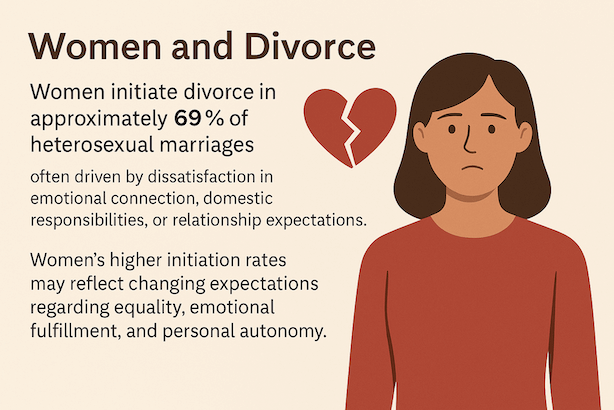
Initiation of Divorce by Gender: Women initiate divorce in approximately 69% of heterosexual marriages, often driven by dissatisfaction in emotional connection, domestic responsibilities, or relationship expectations. Women’s higher initiation rates might reflect changing expectations regarding equality, emotional fulfillment, and personal autonomy. Religious affiliation also impacts divorce rates, with differences observed among various religious groups and those with no religious affiliation.
Educational attainment plays a significant role in divorce rates. Individuals with only a high school diploma experience higher divorce rates than those with a college degree or bachelor's degree. Higher education is associated with lower divorce rates and greater marital stability.
Living arrangements, such as single-parent households and cohabitation, also influence divorce statistics, as children’s and parents’ living situations can affect family stability and the likelihood of marital dissolution.
There has been a global decrease in marriage rates over recent decades. The United Nations has reported that marriage rates dropped significantly in many regions, especially during the COVID-19 pandemic, which saw a sharp decline in marriage rate and changes in divorce patterns.
Divorced women often face greater financial and social challenges post-divorce, including higher poverty rates and lower remarriage rates compared to divorced men. Divorced men are more likely to remarry and may experience different economic impacts following divorce.
Economic stress, changing social norms around marriage, and greater acceptance of divorce significantly contribute to these statistics. Substance abuse is a significant contributor to marital dissolution, often exacerbating existing conflicts and creating additional challenges. Compared historically, current rates reflect greater openness and social change.
Demographic Trends Shaping Divorce in 2025
Demographic shifts are playing a pivotal role in shaping divorce rates as we approach 2025. The crude divorce rate in the United States has steadily declined over the past two decades, dropping from 4.0 divorces per 1,000 people in 2000 to just 2.7 per 1,000 in recent years. This downward trend reflects broader changes in societal norms, with more couples prioritizing financial stability and waiting longer before entering marriage. Delayed marriage has become increasingly common, as young adults focus on education and career development before tying the knot, which often leads to more stable marriages and a lower national divorce rate.
Census Bureau divorce statistics also reveal that first marriages are less likely to end in divorce compared to second marriages and third marriages. The likelihood of marriages ending in divorce increases with each subsequent union, highlighting the unique challenges faced by those entering remarriage. Additionally, the rise in gray divorce—divorces among older adults—has begun to influence overall divorce rates, as more couples married for decades choose to part ways later in life. These demographic trends underscore the importance of understanding how age, financial security, and evolving cultural expectations continue to shape the landscape of marriage and divorce in America.
Predicting Divorce Rates in 2025
Experts predict a stable yet slightly rising divorce rate by 2025, driven by a blend of socioeconomic and cultural factors that continue to evolve in today’s dynamic environment.
Economic Conditions: Financial uncertainty plays a significant role in marital strain. High inflation, housing costs, and job instability may lead to disagreements and added stress, which can erode marital satisfaction over time. Economic stability within a marriage typically supports longevity, while general economic downturns can increase conflict. Couples under financial duress often report lower relationship satisfaction and higher conflict levels. Divorce cases often involve financial disputes, and domestic violence or domestic abuse can be primary reasons for seeking divorce.
Societal Changes: The ongoing cultural shift toward individualism and personal fulfillment is influencing how people view marriage. As individuals increasingly prioritize personal growth and mental health, they may be less willing to remain in unfulfilling partnerships. Additionally, changing gender roles and the push for equality within relationships may create new expectations and tensions. The experience of divorcing can also be influenced by whether one spouse faces challenges such as addiction or mental health issues, which can complicate the process and outcomes.
Technological Impact: Technology is reshaping communication in relationships. While some couples benefit from staying connected through digital tools, others struggle with the distractions and temptations posed by social media and dating apps. Technology can also lead to miscommunication or emotional distance when overused or mismanaged.
Mental Health Awareness: The growing emphasis on mental health may encourage individuals to leave toxic or emotionally draining marriages. While this trend supports personal well-being, it may also contribute to higher divorce rates if couples are not equipped with tools to work through challenges. Divorcing couples often cite irreconcilable differences as a reason, especially in states with no-fault divorce laws.
Post-Pandemic Lifestyle Shifts: The pandemic shifted work-life dynamics and exposed underlying relationship issues for many couples. As more people adopt remote work or flexible lifestyles, the boundaries between personal and professional life have blurred, sometimes adding strain to relationships. This shift may continue to influence divorce rates into 2025.
Regional variations will persist, with urban areas potentially experiencing higher divorce rates than rural communities due to lifestyle pace, job-related stress, and greater social independence.

Key Factors Contributing to Divorce
Communication Breakdown
Ineffective communication remains a leading cause, creating misunderstandings and resentment. Couples may feel unheard or misunderstood, leading to frustration and emotional distance. Constant conflict and arguing can create a hostile environment that leads to divorce, further emphasizing the need for effective communication. Small issues can escalate when not addressed properly, causing long-term damage. Learning to communicate effectively is essential for resolving conflict and maintaining a strong emotional connection. Ineffective communication remains a leading cause, creating misunderstandings and resentment.
Financial Issues
Money-related stress frequently drives couples apart due to disagreements over spending habits, debts, and financial priorities. Disparities in financial values or lack of transparency can create tension and mistrust. Financial instability can lead to feelings of insecurity and blame within the relationship. Establishing shared financial goals can help prevent conflict and foster teamwork. Money-related stress frequently drives couples apart due to disagreements over spending habits, debts, and financial priorities.
Infidelity
Extramarital affairs severely damage trust, making reconciliation challenging. Betrayal can cause lasting emotional pain and damage self-esteem. The discovery of an affair often signals deeper issues within the relationship. Infidelity is a problem for about 25% of married men and 15% of married women, underscoring its prevalence as a significant marital challenge. Rebuilding trust after infidelity requires time, effort, and often professional support. Extramarital affairs severely damage trust, making reconciliation challenging.
Lack of Intimacy
Emotional or physical disconnect can lead partners to feel isolated and unloved. Over time, this lack of closeness can erode the foundation of a relationship. Intimacy is essential for maintaining a sense of connection and partnership. Couples should prioritize affection, communication, and quality time to nurture intimacy. Emotional or physical disconnect can lead partners to feel isolated and unloved.
Unrealistic Expectations
Unrealistic views about marriage roles and responsibilities can set couples up for disappointment and frustration. When expectations go unmet, it often leads to blame and disillusionment. Media portrayals of "perfect" relationships can skew perceptions of what a healthy marriage looks like. Clear communication about roles, needs, and values helps create more realistic and sustainable partnerships. Unrealistic views about marriage roles and responsibilities can set couples up for disappointment and frustration.
Gray Divorce: The Rise of Later-Life Separations
Gray divorce, or the dissolution of marriages among older adults, has become increasingly common and is reshaping the conversation around marriage stability. Since the 1990s, the divorce rate for adults over 50 has doubled, according to research from Bowling Green State University. This surge in marriages ending later in life is driven by several factors, including longer life expectancy, greater financial independence for both spouses, and shifting cultural attitudes that make it more acceptable for older adults to seek fulfillment outside of marriage.
Couples married for 30 years or more are now facing unique challenges when navigating the divorce process. Issues such as property division, retirement planning, and spousal support can be more complex for older adults, requiring specialized guidance from family law professionals. As gray divorce becomes a more prominent part of the national divorce rate, it highlights the need for tailored support and resources to help older adults transition through this significant life change with dignity and security.
What Couples Can Do: Proactive Strategies
Improve Communication
Practice active listening techniques, such as repeating back what your partner says to show you understand.
Encourage open, honest dialogue by creating a safe space for sharing thoughts and emotions without judgment.
Schedule regular check-ins to talk about your relationship, even when things are going well.
Seek communication counseling when needed to help build new skills and break unhealthy patterns.
Check out our free resources such as our “Free Couples Communication Workbook” to practice some communication exercises.
Strengthen Financial Stability
Engage in financial planning and budgeting collaboratively to ensure both partners are aligned on money goals.
Openly address financial stressors early before they escalate into bigger issues.
Divide financial responsibilities fairly to reduce pressure on one person.
Consult financial advisors if necessary to create a long-term plan and improve financial literacy.
Foster Intimacy
Prioritize regular quality time and date nights to maintain emotional connection.
Frequently express affection and appreciation through small gestures and verbal affirmations.
Explore new shared experiences together to keep the relationship exciting and fresh.
Seek professional assistance for unresolved intimacy issues to deepen both emotional and physical closeness.
Manage Conflict Effectively
Implement conflict resolution strategies such as using "I" statements and taking breaks during heated discussions.
Avoid destructive argument patterns like criticism, defensiveness, contempt, and stonewalling.
Practice empathy by trying to see the situation from your partner's perspective.
Seek professional couples therapy proactively to develop long-term skills for resolving differences peacefully.

Cohabitation Before Marriage: Does It Affect Divorce Rates?
Cohabitation before marriage is now a common step for many couples, but its impact on divorce rates remains a topic of ongoing research and debate. Studies from the Pew Research Center indicate that cohabiting couples may face a higher divorce rate compared to those who do not live together before marriage. This trend is often linked to factors such as financial problems, communication challenges, and questions about long-term commitment.
While living together before marriage can offer valuable insights into compatibility, it may also introduce patterns that affect marital stability. Cohabiting couples sometimes experience increased stress over shared finances or household responsibilities, which can carry over into married life. As cohabitation becomes increasingly common, it’s important for couples to have open conversations about expectations, financial planning, and commitment to help reduce the risk of marital instability and divorce.
Impact of Divorce on Families and Children
The effects of divorce extend far beyond the couple, often having a profound impact on families and children. Divorce statistics and census data consistently show that children from single parent households are at greater risk for emotional distress, adjustment difficulties, and economic hardship. Custodial mothers and custodial fathers may face significant challenges in providing both financial support and emotional care, as the demands of single parenting can be overwhelming.
Family law professionals play a vital role in guiding families through the divorce process, ensuring that the best interests of children are prioritized. By understanding the latest demographic trends and divorce statistics, these professionals can offer tailored support to help families navigate transitions, minimize emotional distress, and promote stability. Ultimately, a thoughtful approach to the divorce process can help protect children’s well-being and foster healthier family dynamics during and after divorce.
Seeking Professional Help
Marriage counseling and family therapy offer significant benefits:
Early intervention can prevent larger issues and provide tools before conflicts become overwhelming.
Seek help when conflicts escalate or persist unresolved, especially if communication is breaking down or emotional distance is growing.
Find qualified therapists suited to your needs and relationship dynamics, including those who specialize in couples therapy, trauma, or specific cultural values.
Therapy sessions can offer a neutral environment where both partners feel heard and supported while learning healthy communication and coping skills.
Resources and Tools for a Healthier Marriage
Enhance your marriage with helpful resources:
Books like "The Seven Principles for Making Marriage Work" by John Gottman offer research-backed guidance for strengthening relationships. Read our blog post “10 Best Relationship Books Recommended by a Couples Therapist” for more recommendations.
Relationship-focused apps like Lasting and Gottman Card Decks provide daily insights, activities, and prompts to encourage emotional connection.
Online courses and workshops are available for couples who want to proactively work on their relationship from the comfort of their home.
Conclusion
Understanding projected divorce rates for 2025 allows couples to adopt proactive measures to strengthen their marriages. By enhancing communication, managing finances wisely, fostering intimacy, and resolving conflicts constructively, you can build a lasting, fulfilling relationship. Taking time to invest in your relationship today can help prevent challenges down the road. Ultimately, strong, connected partnerships are built through intention, effort, and a willingness to grow together.
FAQ
Q: Are divorce rates increasing or decreasing?
A: Currently stable, slight increases predicted due to economic and societal pressures.
Q: Which age group experiences the highest divorce rate?
A: Typically ages 30-39.
Q: How effective is couples therapy in preventing divorce?
A: Very effective when engaged proactively and consistently.
Q: What is the most common reason couples get divorced?
A: Communication breakdown is often cited as the leading cause of divorce, followed closely by financial issues and infidelity.
Q: Why are lesbian divorce rates so high?
A: Research suggests that lesbian couples experience higher divorce rates than gay male couples, accounting for over 70% of same-sex divorces in some studies. This trend may stem from differences in emotional expression, expectations, or how conflict is handled within the relationship. It's also important to consider the relatively recent legal recognition of same-sex marriage, which limits long-term data. Social pressures and lack of support may further contribute to this pattern.
Q: Do second marriages have a higher chance of ending in divorce?
A: Yes, second marriages have a divorce rate of around 67%, often due to blended family challenges and lingering issues from prior relationships.
Q: How can couples prevent divorce before problems begin?
A: Regular communication, setting shared goals, engaging in therapy early, and prioritizing quality time together can help prevent future issues.